The Course

As a graduation requirement, each Business Information Systems (BIS) student at Illinois State University must complete the capstone course, ACC 362 – Advanced Business Systems Analysis. ACC 362 is taught by Professor Rosie Hauck, Ph.D. Unlike traditional courses, there are no exams and few individual assignments. ACC 362 instead consists of a semester long project. In this class, students are assigned to groups and work directly with a client to design, create, and implement a real business system. This website is a testament to the work completed in the Spring 2019 section of ACC 262 – Advanced Business Systems Analysis.
The Goal
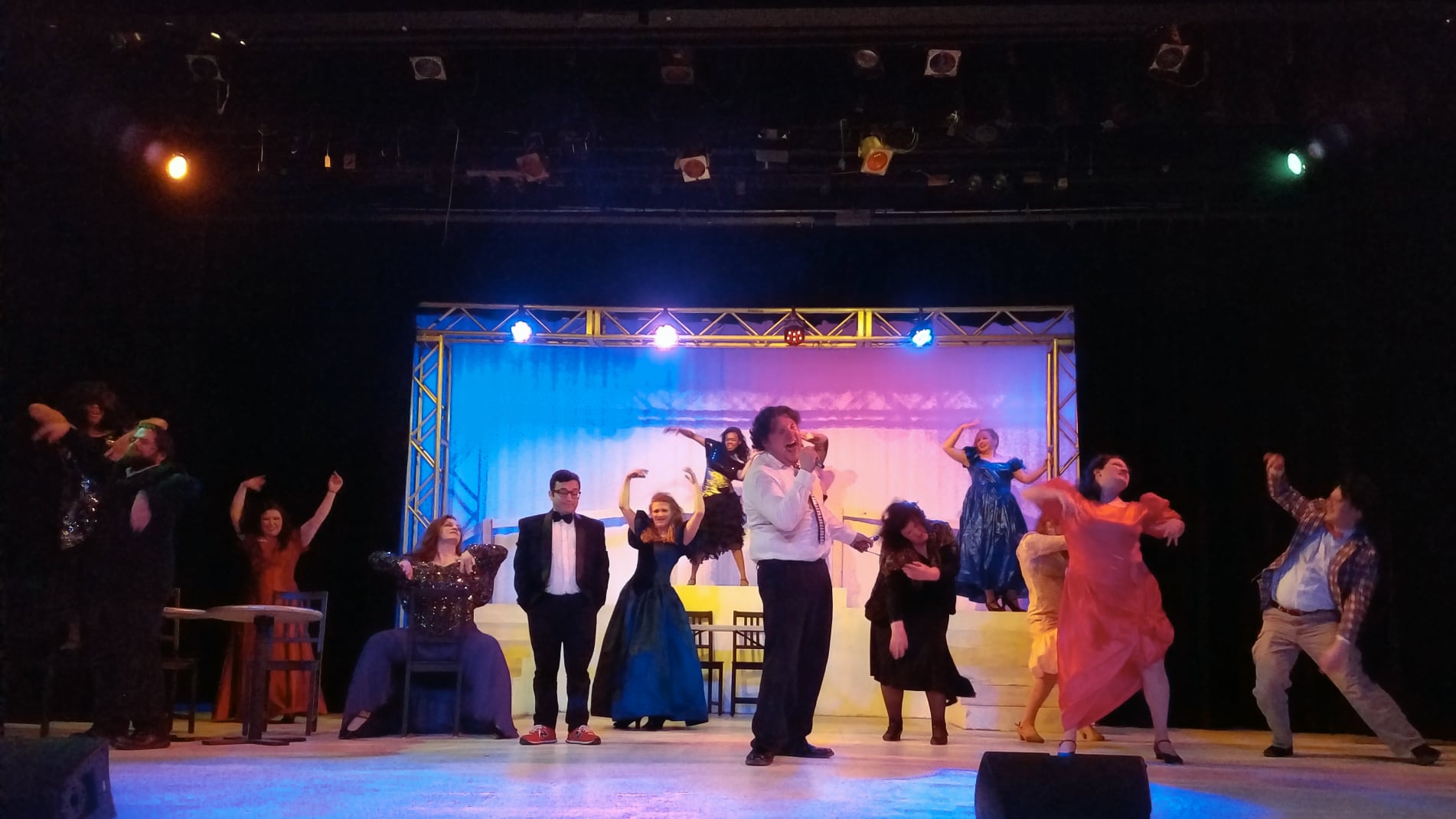
This semester’s ACC 362 class created various business systems for the local Community Players Theater. The theater has served the Bloomington-Normal area for nearly 100 years by performing plays and musicals and is staffed entirely by volunteers. The theater has delivered time and time again over the course of its century long tenure, but there is always room for technological improvements. Dr. Hauck approached the board requesting ideas for this semester’s BIS capstone course projects. The board responded with the following needs:
- An inventory system for props and set pieces
- An inventory system for costumes
- A system to track and reward season ticket holders
- A system to track volunteers and theater members
The Team
Our team was assigned to the costume job. The dream team consisted of 6 dedicated, senioritis-vaccinated BIS students: Andrew, Christina, Silvia, Tom, Zachary, and myself. Between the 6 of us, internships had been completed at several Fortune 500 companies, such as State Farm and Discover. Additionally, each member was a Certified Scrum Master as part of the curriculum. We had all been through the wringer, now it was time to prove what we had learned.
How It All Went Down
To accomplish the goal and bring home the bacon, our team needed to work as efficiently as possible. We had just 8 weeks to gather requirements, build the system, and implement the finished product. A traditional software development model, bogged down by documentation requirements and rigid structure, simply wouldn’t do. In place of a traditional waterfall development model, the team adopted an Agile mindset and the Scrum Framework.
For the first half of the course, students researched and learned how to be Agile and adhere to the Scrum framework. An Agile mindset is based on the following four values available here:
- Individuals and interactions over processes and tools
- Working software over comprehensive documentation
- Customer collaboration over contract negotiation
- Responding to change over following a plan
Beyond just having an Agile mindset, the team utilized Scrum methodology to organize the work. Our team worked in two week “sprints,” which are cycles of work. For more information about sprints and Scrum in general, check out the Scrum Guide.
For three out of four of the sprints, I was the Scrum Product Owner. Christina took on the role of Product Owner for the 3rd sprint. Andrew assumed the role of Scrum Master for the full 4 sprints, as he had already interned as a Scrum Master at Discover. More on Scrum later. Click through to start at Sprint Prep!
 ACC 362 Individual Project